
This blog talks about how your “psychology” can play a major role with the way you make your investment decisions. This can even lead you to make wrong choices impacting your returns.
Riya:Sujit, I’ve been investing for a few years now, but honestly, sometimes I feel like my emotions mess things up. Is that normal?
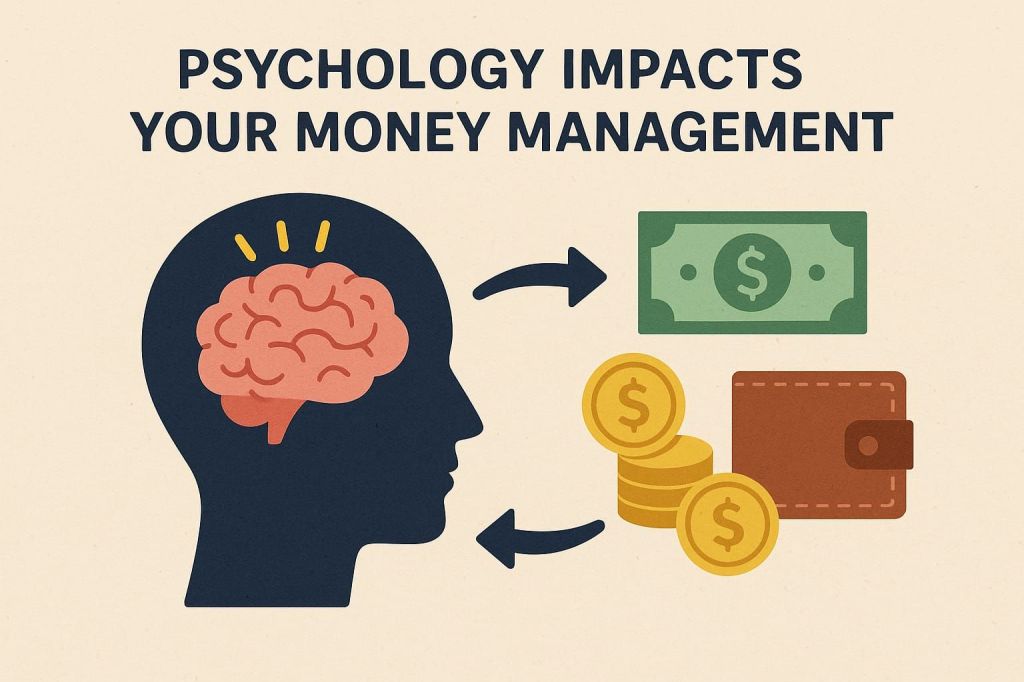
Sujit:Completely normal, Riya! In fact, most investors struggle with psychological biases. Our brains are wired in ways that can sabotage our investment decisions.
Riya:Really? Like how?
Sujit:Let’s start with Loss Aversion. Imagine you find ₹500 on the road—feels great, right?
Riya:Absolutely! Instant joy.
Sujit:Now imagine you lose ₹500 from your wallet. That hurts more, doesn’t it?
Riya:Way more!
Sujit:Exactly. We fear losses more than we enjoy equivalent gains. So when markets dip, many investors panic-sell—even if it’s temporary. That’s loss aversion.
Riya:Oh! I think I did that in 2020 during the market crash.
Sujit:You’re not alone. Now, here’s Recency Bias. Let’s say you ordered food from a new place last night and it was bad. You might avoid that place forever—even if it’s usually great.
Riya:Haha, yes! I totally hold grudges like that with restaurants.
Sujit:Investors do the same with stocks. If the market just crashed, they assume it’ll keep falling. If it recently surged, they think it’ll never fall. Both are dangerous assumptions.
Riya:That explains why people buy high and sell low!
Sujit:Right. Then there’s Overconfidence. Ever played fantasy cricket?
Riya:Of course!
Sujit:When you win once, do you feel like you’ve cracked the code?
Riya:Totally. I start thinking I’m the next expert selector.
Sujit:That’s overconfidence. In investing, people think they can time the market or pick the best stocks consistently. But it rarely works long-term.
Riya:Guilty as charged…
Sujit:Next up: Herd Mentality. Remember when everyone was buying fidget spinners or that dalgona coffee craze?
Riya:Yes! I joined in just because it was everywhere.
Sujit:That’s what happens with IPOs or trending stocks. People buy because everyone else is buying—not because it makes financial sense.
Riya:Hmm… I bought into an NFO recently just because everyone in my WhatsApp group was investing.
Sujit:There you go! Then there’s Anchoring. Say you saw a dress priced at ₹5,000, then later it’s ₹3,500. You feel it’s a good deal, right?
Riya:Yes, because my mind is stuck on the original ₹5,000 price.
Sujit:Exactly. Investors do the same. They anchor to a stock’s previous high and keep holding it hoping it’ll bounce back, even when fundamentals have changed.
Riya:Oh, that’s why I kept holding that penny stock I bought in 2021. I wanted to “at least recover my cost.”
Sujit:That’s Disposition Effect too—selling winners too early to feel good and holding losers too long hoping they bounce back.
Riya:I do that too! Selling after a small gain and then regretting it when it keeps going up.
Sujit:You’re not alone, Riya. Then there’s Confirmation Bias—you know when you Google “Why is XYZ stock great” instead of looking at both pros and cons?
Riya:Haha yes! I do that all the time. I only read articles that support my views.
Sujit:That can be dangerous. We tend to ignore red flags. Lastly, there’s the Endowment Effect. Ever tried selling old clothes online?
Riya:Yes, and I always feel they deserve a higher price than buyers are willing to pay.
Sujit:Same with investments. We overvalue stocks just because we own them.
Riya:Wow, I didn’t realize how much psychology played a role!
Sujit:That’s why I always tell clients:
- Stick to a long-term plan
- Diversify your portfolio
- Review it regularly, and
- Don’t let emotions drive decisions
Riya:That makes so much sense. I’m glad we had this chat.
Sujit:Always happy to help. Remember, the market is not just about numbers—it’s also a mirror reflecting human behavior.
 Simplified Money Talks